
27 Nakshatras vs 12 Zodiac Signs – The Real Astrology Battle
 AstroWakeUp
27 Nakshatras vs 12 Zodiac Signs – The Real Astrology Battle
Why Nakshatra-Based Astrology Goes Deeper Than Sun-Sign Astrology
Astrology today stands divided between two systems: the widely popular 12 zodiac signs and the ancient, far more intricate system of 27 Nakshatras. Most people know themselves as Aries, Taurus, or Leo, yet feel that generic zodiac descriptions rarely capture their emotional depth, life timing, or inner conflicts. This dissatisfaction is not accidental. It arises because zodiac signs describe broad personality colors, while Nakshatras reveal the soul’s psychological blueprint.
This is not merely a comparison of two techniques; it is a battle between surface-level identity and karmic precision. To understand which system reflects real astrology, we must explore how both originated, how they function, and why Nakshatras consistently outperform zodiac signs in prediction, psychology, and life-event timing.
The Origin of the Two Systems: Different Purposes, Different Depths
The 12 zodiac signs divide the sky into twelve equal parts of 30 degrees each. This system is primarily solar. It is based on the Sun’s apparent path and focuses on ego, personality expression, ambition, and conscious identity. Zodiac signs tell us how a person wants to act and how they project themselves into the world.
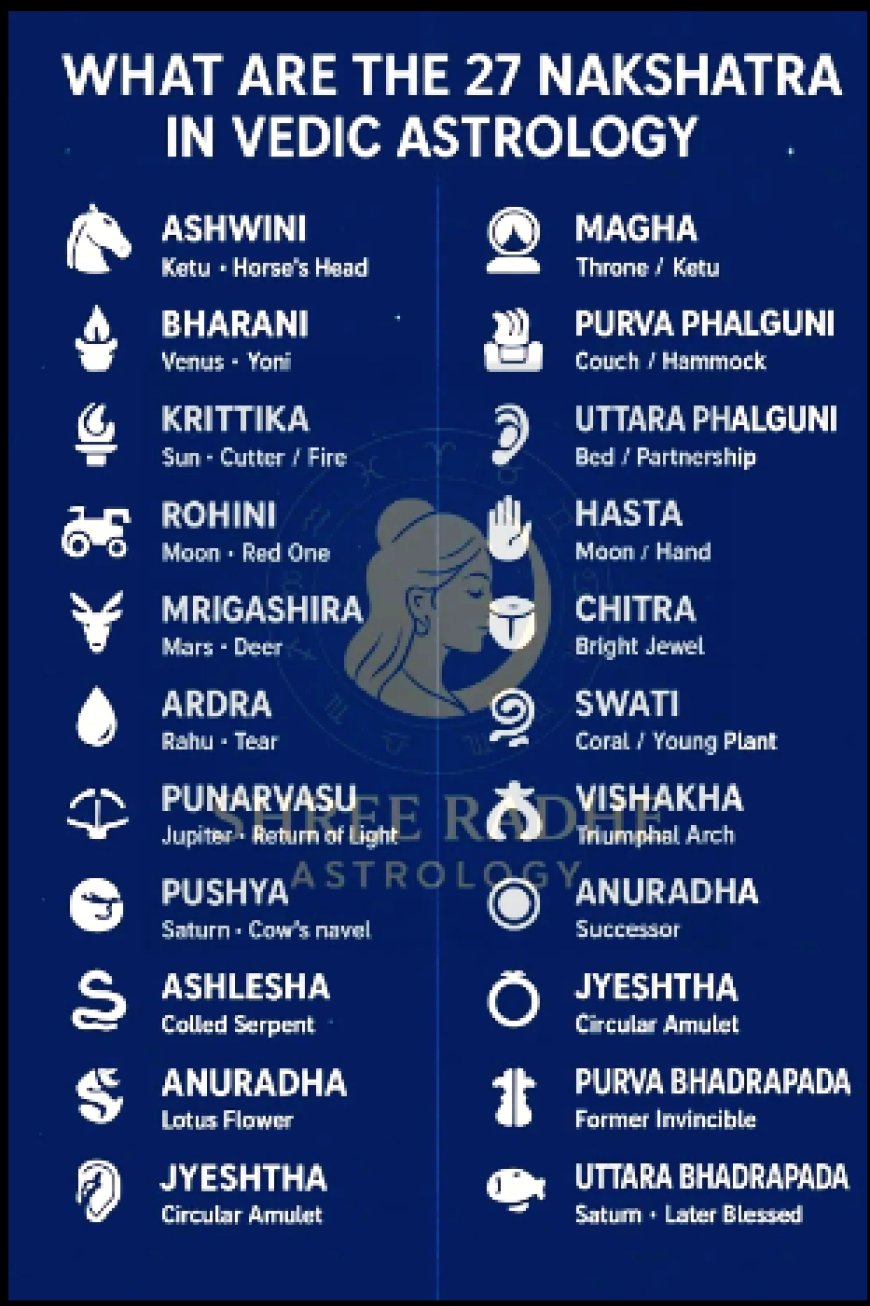
The 27 Nakshatras, on the other hand, are lunar. They divide the Moon’s path into 27 unequal but highly specific segments of approximately 13°20’ each. Nakshatras existed long before zodiac signs were standardized. In Vedic astrology, the Moon represents the mind, emotions, memory, conditioning, and subconscious behavior. Because human decisions are driven more by emotion than ego, Nakshatras naturally operate at a deeper level of truth.
In simple terms, zodiac signs describe who you think you are. Nakshatras describe why you behave the way you do.
Why 12 Zodiac Signs Are Psychologically Incomplete
Twelve zodiac signs attempt to explain billions of people using only twelve categories. This is astrologically insufficient. At best, zodiac signs provide a general temperament. At worst, they oversimplify complex human behavior into stereotypes.
For example, two people born under Virgo can be entirely different emotionally. One may be anxious and self-critical, another calm and service-oriented. Zodiac signs cannot explain this variation. Nakshatras can—because they divide each sign into two to three distinct psychological types, each with unique motivations, fears, and desires.
Zodiac signs lack emotional granularity. They do not explain:
-
Why two people of the same sign react differently to loss
-
Why one becomes attached while another detaches
-
Why one succeeds early and another late
Nakshatras answer all of this by decoding the emotional engine behind behavior.
Nakshatras: The DNA of the Mind
Nakshatras are not personality labels; they are behavioral programs. Each Nakshatra has:
-
A ruling deity (psychological archetype)
-
A ruling planet (behavioral driver)
-
A specific motivation (dharma)
-
A shadow trait (psychological weakness)
For example, someone born in Ashwini Nakshatra has a fast, impulsive, healing-oriented mind, while someone born in Shravana Nakshatra absorbs, listens, and internalizes deeply. Both may fall under Aries or Capricorn zodiac signs, yet their inner worlds are completely different.
Nakshatras explain:
-
Emotional triggers
-
Attachment style
-
Fear patterns
-
Relationship psychology
-
Career instincts
Zodiac signs simply cannot reach this depth.
Timing Accuracy: Why Nakshatras Always Win
Astrology is not just about description; it is about prediction. This is where Nakshatras dominate zodiac signs decisively.
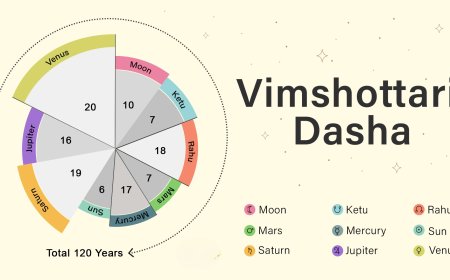
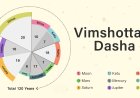
All major predictive systems in Vedic astrology—Dasha, Gochar (transits), Muhurat, and Prashna—are Moon- and Nakshatra-based. Life events occur when the Moon activates specific Nakshatras, not when the Sun changes signs.
Marriage, childbirth, career breakthroughs, mental crises, and spiritual awakenings consistently align with:
-
Moon’s transit over specific Nakshatras
-
Activation of birth Nakshatra lord
-
Dasha periods connected to Nakshatra rulers
Zodiac signs can tell you the season of life. Nakshatras tell you the exact chapter and page number.
Why Western Astrology Feels Vague to Many People
Most modern astrology relies heavily on Sun signs, which change only once a month. The Sun governs ego, not emotion. This is why Sun-sign astrology often feels motivational but not emotionally accurate.
The Moon changes Nakshatra every day. This rapid movement reflects the fluid nature of the human mind. Emotional highs and lows, attraction, anxiety, inspiration—all move with the Moon. Nakshatra-based astrology therefore mirrors lived human experience far more accurately.
People often say:
“My Moon sign description fits me more than my Sun sign.”
Nakshatras go one step further and explain why that Moon behaves the way it does.
Compatibility: Why Nakshatra Matching Outperforms Zodiac Matching
Zodiac compatibility focuses on elemental harmony—fire with air, earth with water. While useful at a surface level, it fails in long-term relationships.
Nakshatra matching evaluates:
-
Emotional needs
-
Sexual instincts
-
Conflict style
-
Attachment depth
-
Karmic bonds
This is why traditional marriage matching relies on Nakshatra Guna Milan, not zodiac signs. Two people may be zodiac-compatible yet emotionally incompatible. Nakshatra analysis reveals this mismatch before commitment.
Spiritual Evolution: Nakshatras Track the Soul’s Journey
Zodiac signs describe personality roles within society. Nakshatras describe stages of soul evolution. Each Nakshatra represents a lesson the soul is learning—initiation, nourishment, struggle, transformation, or liberation.
For instance:
-
Early Nakshatras focus on survival and action
-
Middle Nakshatras deal with relationships and responsibility
-
Later Nakshatras emphasize surrender, wisdom, and release
This evolutionary mapping is completely absent in zodiac sign astrology.
Why 27 Nakshatras Exist (Not 12)
The number 27 is not arbitrary. It corresponds to the Moon’s sidereal cycle and the structure of human consciousness. The mind requires more nuanced classification than the ego. That is why ancient seers chose 27 divisions—not fewer.
If zodiac signs were sufficient, Nakshatras would not exist. But Vedic astrology uses zodiac signs only as containers. Nakshatras are the content.
The Final Verdict: Who Wins the Real Astrology Battle?
Zodiac signs are useful introductions.
Nakshatras are complete revelations.
Zodiac signs answer:
-
Who am I outwardly?
Nakshatras answer:
-
Why do I think, feel, love, fear, and repeat patterns the way I do?
If astrology is entertainment, zodiac signs are enough.
If astrology is destiny, psychology, and timing—Nakshatras are indispensable.
Because real astrology does not stop at identity.
It begins with the mind, karma, and time.