
Nakshatra-Based Predictions Are More Accurate Than Daily Horoscopes
 AstroWakeUp
Why Lunar Constellations Reveal Deeper Astrological Truth
In newspapers, websites, and social media platforms, daily horoscopes are among the most popular forms of astrology. Millions of people read predictions based on their zodiac signs—Aries, Taurus, Gemini, and so on. These forecasts often offer brief statements about career opportunities, emotional moods, or financial prospects.
While daily horoscopes can be entertaining and occasionally insightful, they are generally based only on Sun signs, which represent a very small part of the astrological picture. In contrast, traditional Vedic astrology relies heavily on Nakshatras, the 27 lunar constellations that divide the zodiac into more detailed segments.
Because Nakshatras track the position of the Moon at the time of birth, they reveal psychological tendencies, emotional reactions, and karmic patterns much more precisely than Sun-sign horoscopes. For this reason, many astrologers consider Nakshatra-based predictions significantly more accurate than general daily horoscopes.
To understand why this difference exists, we must explore the fundamental role of Nakshatras in Vedic astrology.
What Are Nakshatras?
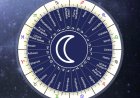
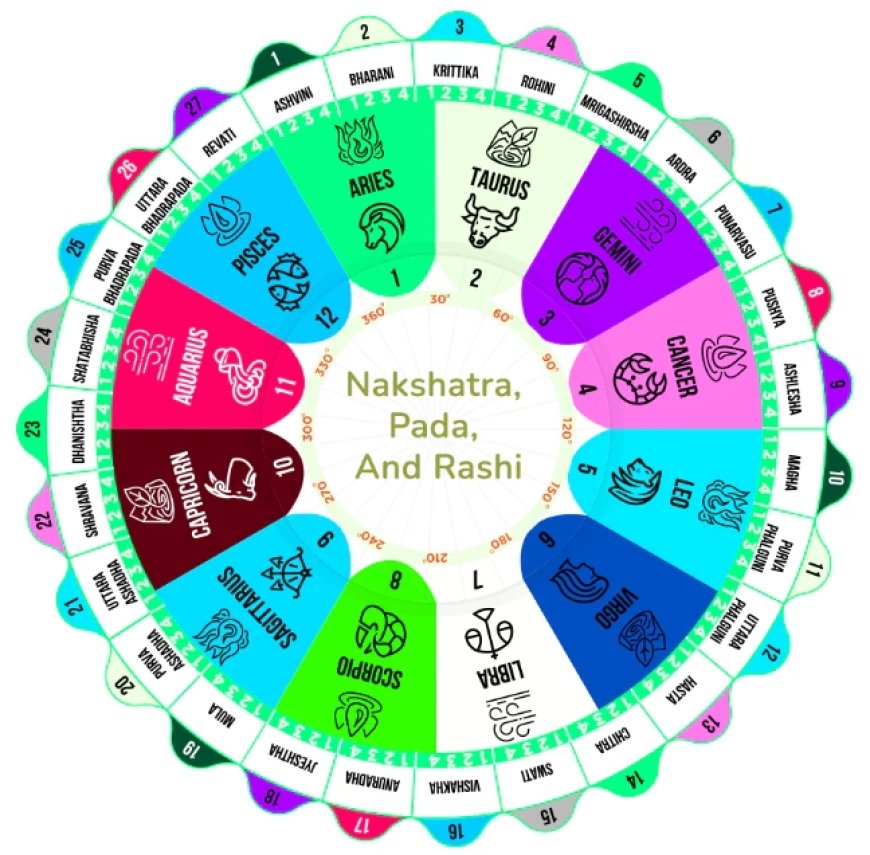
The word Nakshatra refers to a lunar constellation or “star mansion.” The Moon takes approximately 27.3 days to travel through the entire zodiac, and ancient astronomers divided this path into 27 segments, each representing a Nakshatra.
Each Nakshatra covers about 13 degrees and 20 minutes of the zodiac and is associated with a specific deity, planetary ruler, and psychological theme.
Some examples include:
-
Ashwini – initiative, healing, and rapid action
-
Rohini – creativity, attraction, and growth
-
Shravana – listening, learning, and communication
-
Anuradha – loyalty, friendship, and determination
Unlike Sun signs, which change once a month, the Moon moves through a new Nakshatra approximately every day. Because the Moon represents the mind and emotions, Nakshatras describe how individuals think, react, and interact with the world.
The Moon’s Importance in Vedic Astrology
In Western-style daily horoscopes, the Sun is often considered the most important planetary influence. However, Vedic astrology places special emphasis on the Moon, which governs emotional awareness, mental stability, and daily experience.
The Moon reflects how individuals perceive events and respond to them psychologically. Two people with the same Sun sign may behave completely differently if their Moon signs or Nakshatras differ.
Therefore, predictions based on the Moon’s position—and particularly the Nakshatra—often provide deeper insight into a person’s life patterns.
Why Daily Horoscopes Are Often Too General
Daily horoscopes usually divide billions of people into just twelve zodiac categories. This simplification means that millions of individuals receive exactly the same prediction each day.
For example, every person born under the Sun sign Virgo may read the same forecast for career, finances, or relationships. However, their birth charts may differ dramatically in terms of planetary placements and life circumstances.
Because of this generalization, daily horoscopes often lack the precision needed for accurate personal guidance.
Nakshatras Offer Greater Precision
Nakshatras divide the zodiac into 27 segments instead of 12, making predictions more specific. Each Nakshatra also has four subdivisions called padas, which add further detail.
This system allows astrologers to analyze personality and life events with greater precision. Nakshatra-based predictions often consider:
-
the Moon’s Nakshatra at birth
-
the ruling planet of the Nakshatra
-
current planetary transits through Nakshatras
-
the Dasha periods connected with Nakshatra rulers
Because these factors are more individualized, Nakshatra predictions often reflect personal experiences more accurately.
Real-Life Example 1: Two People with the Same Zodiac Sign
To illustrate this difference, consider two individuals who share the same zodiac sign but different Nakshatras.
Person A
Birth Details (Anonymized)
Date: 17 September 1988
Time: 05:42 AM
Place: Patna, India
Sun Sign: Virgo
Moon Nakshatra: Shravana
Nakshatra Interpretation
Shravana Nakshatra is associated with learning, listening, and the pursuit of knowledge. Individuals born under this Nakshatra often possess strong curiosity and analytical ability.
Real-Life Outcome
This native developed a strong interest in research and education, eventually pursuing a career that involved teaching and knowledge sharing.
When Jupiter transited Shravana’s ruling planet, the individual experienced increased opportunities for professional development.
Person B
Birth Details (Anonymized)
Date: 14 September 1989
Time: 08:20 PM
Place: Delhi, India
Sun Sign: Virgo
Moon Nakshatra: Hasta
Nakshatra Interpretation
Hasta Nakshatra emphasizes creativity, craftsmanship, and skillful communication. People born under this Nakshatra often enjoy hands-on work and artistic expression.
Real-Life Outcome
This native pursued a career in digital design and creative media, where manual skill and creativity played an important role.
Why the Two Lives Differed
Both individuals shared the same Sun sign (Virgo), but their Nakshatras revealed different psychological tendencies and career paths.
Shravana emphasized intellectual exploration, while Hasta emphasized creative skill. This difference illustrates why Nakshatra-based predictions can explain life experiences more accurately than Sun-sign horoscopes.
Nakshatras and Timing of Events
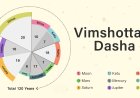
Nakshatras also play a crucial role in timing life events through the Dasha system. Each Nakshatra is ruled by a specific planet, and the sequence of planetary periods begins with the ruler of the birth Nakshatra.
Because of this connection, major life events often occur during the Dasha of the Nakshatra ruler.
For example:
-
Marriage may occur during the Dasha of the Nakshatra ruler connected with the 7th house.
-
Career growth may occur during the Dasha of the Nakshatra ruler influencing the 10th house.
Daily horoscopes rarely include this level of detail.
Psychological Accuracy of Nakshatras
Another advantage of Nakshatra analysis is its psychological depth. Each Nakshatra represents a specific archetype that shapes emotional responses and motivations.
For instance:
-
Rohini natives often value beauty and comfort.
-
Anuradha natives emphasize loyalty and friendship.
-
Ashwini natives are energetic and adventurous.
These patterns often match real-life personalities more closely than generalized zodiac descriptions.
The Role of Transits in Nakshatra Predictions
Astrologers also observe how planets move through Nakshatras in the sky. When a major planet transits the birth Nakshatra or its ruling planet, it can trigger important events.
For example, when Saturn transits the Nakshatra of a person’s Moon, it may bring lessons related to responsibility and emotional maturity.
These detailed observations make Nakshatra-based predictions far more specific than daily horoscope statements.
Why Many People Feel Their Horoscope Is Inaccurate
People often feel disappointed when their daily horoscope does not reflect their real experiences. This occurs because the horoscope is based only on the Sun sign and ignores the rest of the birth chart.
When astrology is practiced using Nakshatras, planetary periods, and transits, predictions become far more personalized.
The Future of Personalized Astrology
Modern technology now allows astrologers to calculate detailed birth charts instantly. As more people become aware of Nakshatra-based analysis, astrology is gradually shifting from generalized horoscopes toward personalized chart interpretation.
This evolution reflects a return to the deeper principles of traditional Vedic astrology.
Final Insight
Daily horoscopes provide a simple introduction to astrology, but they cannot capture the full complexity of human life. Nakshatras, by contrast, offer a detailed framework for understanding personality, life events, and emotional patterns.
By focusing on the Moon’s position and the intricate system of lunar constellations, Nakshatra-based astrology reveals insights that go far beyond generalized zodiac predictions.
In the language of Vedic wisdom, the stars do not speak through a single sign—they speak through the subtle rhythm of the Moon moving through the Nakshatras.