
Astrology Is Not Belief—It’s Pattern Recognition
 AstroWakeUp
Understanding Astrology as a System of Observed Cosmic Patterns
For centuries, astrology has been surrounded by debates. Some people consider it a profound science of cosmic influence, while others dismiss it as mere belief or superstition. However, when astrology is studied in its traditional form, it becomes clear that its foundation is not blind belief but pattern recognition based on centuries of observation.
Ancient astrologers did not develop astrological principles through imagination. They carefully observed the relationship between planetary positions and human experiences over long periods of time. By studying thousands of birth charts and life events, they began to notice recurring patterns.
For example, certain planetary placements appeared repeatedly in the charts of leaders, scholars, artists, or entrepreneurs. Similarly, specific planetary combinations often coincided with particular life events such as marriage, career advancement, or periods of difficulty.
Astrology therefore evolved as a system of symbolic pattern analysis, similar in spirit to how modern sciences analyze data to discover correlations.
The Foundations of Astrological Observation
The earliest practitioners of astrology were also astronomers. They observed the movements of the Sun, Moon, and visible planets with remarkable precision. Over generations, they recorded how these celestial patterns corresponded with seasonal cycles, agricultural productivity, and human behavior.
Gradually, they began applying the same observational approach to individual birth charts. By examining the planetary positions at the moment of birth and comparing them with later life events, they identified recurring correlations.
For example:
-
Strong Sun placements frequently appeared in the charts of individuals who held positions of authority.
-
Prominent Mercury placements were common in the charts of writers, teachers, and intellectuals.
-
Strong Venus influence appeared frequently in the charts of artists and performers.
These observations were repeated across many charts, forming the basis of astrological interpretation.
Astrology and Statistical Thinking
Although ancient astrologers did not use modern statistical terminology, their approach resembles what today would be called qualitative pattern analysis. They examined large numbers of charts and identified recurring symbolic relationships.
Modern researchers have occasionally attempted statistical studies of astrology, with mixed results. However, the fundamental principle of astrology remains the same: identifying consistent symbolic patterns between planetary configurations and human experiences.
In this sense, astrology functions more like an interpretive science than a belief system.
The Role of the Birth Chart
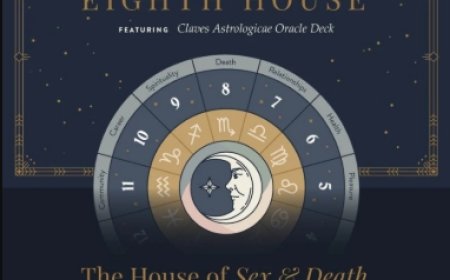
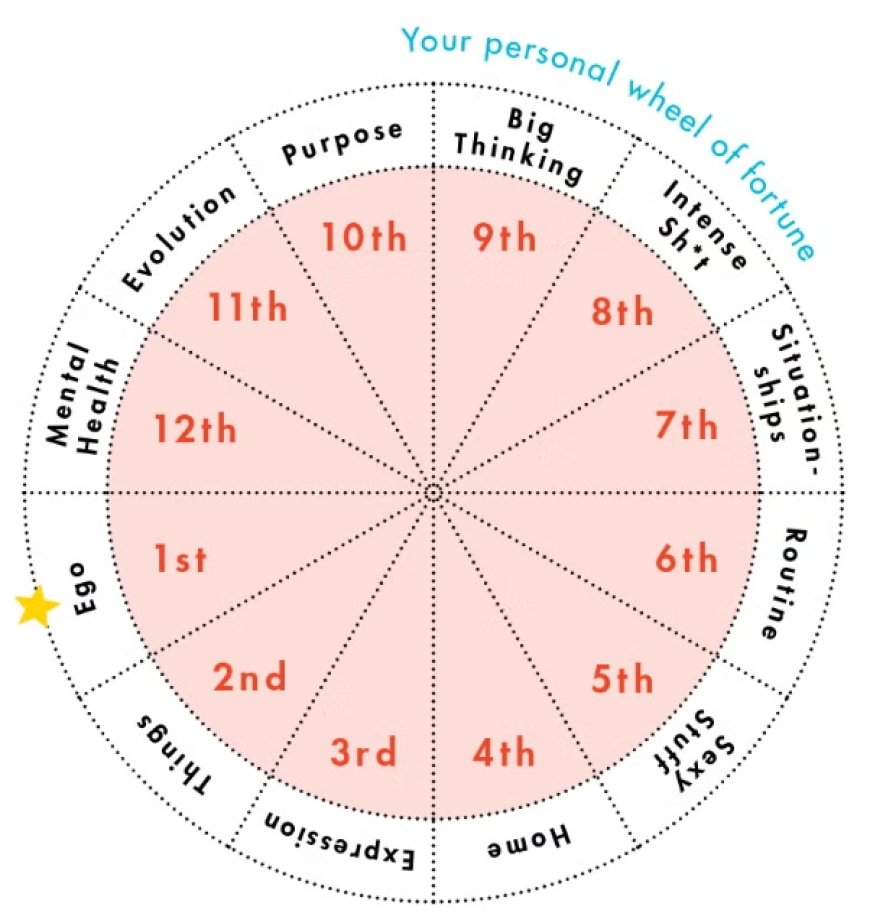
The birth chart is essentially a map of planetary positions at the moment of birth. It includes:
-
twelve houses representing areas of life
-
nine planetary influences
-
twelve zodiac signs
-
twenty-seven Nakshatras in Vedic astrology
Because the positions of planets change constantly, each birth chart forms a unique combination of planetary patterns.
Astrologers study these patterns to understand how different energies interact within an individual’s life.
Planetary Patterns and Psychological Traits
One of the most striking examples of astrological pattern recognition appears in personality analysis.
For instance:
-
Individuals with strong Mercury influence often display analytical thinking and communication skills.
-
Those with strong Mars placements often show courage, competitiveness, and action-oriented behavior.
-
Strong Venus influence frequently correlates with artistic ability and appreciation for beauty.
These associations are not arbitrary; they emerged from repeated observation of similar patterns across many charts.
Real-Life Example 1: Analytical Thinking Pattern
Birth Details (Anonymized)
Date: 17 September 1988
Time: 05:42 AM
Place: Patna, India
Ascendant: Virgo
Moon: Capricorn (Shravana Nakshatra)
Observed Planetary Pattern
In this chart, Mercury—the planet associated with analysis and communication—plays a significant role in the personality structure. Virgo rising further emphasizes Mercury’s influence, because Mercury rules Virgo.
Additionally, the Moon in Capricorn adds discipline and practical thinking.
Real-Life Outcome
The native developed strong analytical abilities and pursued a career requiring systematic problem-solving. Colleagues often recognized the individual for attention to detail and logical reasoning.
From an astrological perspective, this outcome reflects a recognizable pattern: strong Mercury influence frequently appears in the charts of analytical thinkers.
Real-Life Example 2: Creative Communication Pattern
Birth Details (Anonymized)
Date: 22 June 1992
Time: 03:10 PM
Place: Mumbai, India
Ascendant: Gemini
Moon: Libra
Observed Planetary Pattern
Gemini Ascendant is ruled by Mercury, emphasizing communication and intellectual activity. The Moon in Libra adds artistic sensitivity and aesthetic awareness.
Real-Life Outcome
The individual developed a career in creative media, combining storytelling and visual design. The person’s success in communication-based fields corresponds with the strong Mercury and Venus influence in the chart.
Astrology and Predictive Patterns
Beyond personality analysis, astrology also attempts to identify patterns related to timing of life events.
Through the Dasha system and planetary transits, astrologers observe how certain planetary cycles frequently coincide with particular experiences.
For example:
-
Jupiter periods often correspond with educational or professional growth.
-
Saturn periods often involve responsibility and long-term restructuring.
-
Venus periods often emphasize relationships and artistic pursuits.
These patterns have been observed repeatedly in many charts.
Why Astrology Appears Mysterious
To someone unfamiliar with astrological principles, the connection between planets and human experiences may appear mysterious or symbolic. However, astrology does not claim that planets physically cause events.
Instead, it suggests that planetary movements reflect cosmic rhythms that correspond with patterns in human life.
This concept is similar to how biological cycles correspond with natural rhythms such as seasons or lunar phases.
Astrology as a Language of Symbols
Astrology communicates through symbolic language rather than direct causation. Each planet represents a set of archetypal qualities:
-
Sun represents authority and identity.
-
Moon represents emotional perception.
-
Mercury represents intellect and communication.
-
Venus represents harmony and beauty.
-
Mars represents action and courage.
By observing how these symbols interact in the birth chart, astrologers attempt to interpret the patterns shaping an individual’s experiences.
The Importance of Experience in Astrological Practice
Because astrology relies on pattern recognition, experience plays an essential role in accurate interpretation. Skilled astrologers study thousands of charts over many years, gradually refining their understanding of planetary symbolism.
This process resembles how scientists develop expertise by analyzing repeated experimental results.
Astrology and Personal Awareness
Even for individuals who remain skeptical about astrology’s cosmic mechanisms, the symbolic patterns revealed by the birth chart can still offer valuable insights into personality and life themes.
Many people find that studying their birth chart encourages reflection about their strengths, challenges, and long-term goals.
In this way, astrology functions not only as a predictive tool but also as a framework for self-understanding.
Final Insight
Astrology is often misunderstood as a system based purely on belief. In reality, its foundations lie in centuries of observing correlations between planetary patterns and human experiences.
While modern science continues to debate the mechanisms behind these correlations, astrology itself remains a sophisticated language of pattern recognition—an attempt to understand how cosmic rhythms reflect the rhythms of human life.
Rather than asking whether astrology should be believed blindly, a more useful question may be whether the patterns it identifies continue to appear consistently across human experience.
For many astrologers and practitioners, the answer lies not in belief but in the repeated observation of meaningful patterns written in the sky and reflected in the lives of individuals.