
Astrology for Decision-Making: When to Act, When to Wait
 AstroWakeUp

Understanding the Cosmic Timing of Success Through Vedic Astrology
One of the most difficult challenges in life is knowing when to take action and when to wait patiently. Many people make important decisions—starting a business, changing careers, investing money, or entering relationships—based purely on logic or emotional impulse. Sometimes these decisions lead to success, but at other times they result in unexpected setbacks.
Vedic astrology offers a unique perspective on decision-making by emphasizing the importance of timing. According to ancient astrological wisdom, success depends not only on effort and intelligence but also on acting at the right moment. The same action that fails during one period may succeed during another because the planetary influences surrounding the individual have changed.
Astrology therefore functions as a system for understanding cosmic timing, helping individuals recognize when circumstances are supportive and when caution may be necessary. By studying the birth chart along with planetary periods and transits, astrologers attempt to identify favorable periods for action and periods better suited for preparation and patience.
The Philosophy of Timing in Vedic Astrology
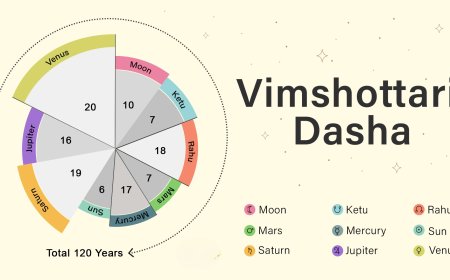
In Vedic thought, time is not uniform. Different phases of life are governed by different planetary influences that shape opportunities, challenges, and psychological states. These planetary cycles operate through a system known as Dasha, which divides life into segments ruled by specific planets.
When a supportive planet becomes active, circumstances tend to align with the individual’s goals. Opportunities appear more easily, and efforts produce visible results. During challenging planetary periods, however, the same effort may produce delays or obstacles.
This does not mean that individuals should become passive during difficult periods. Instead, astrology encourages strategic awareness: knowing when to move forward confidently and when to focus on preparation rather than immediate results.
Dashas: The Clock of Destiny
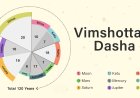
The Vimshottari Dasha system is one of the most important predictive tools in Vedic astrology. Each person’s life unfolds through a sequence of planetary periods lasting different lengths of time.
For example:
-
Sun period emphasizes authority and recognition.
-
Moon period emphasizes emotional life and relationships.
-
Mars period emphasizes action and competition.
-
Mercury period emphasizes learning, communication, and business.
-
Jupiter period emphasizes growth, wisdom, and opportunity.
-
Saturn period emphasizes discipline and long-term responsibility.
When a favorable planetary period begins, decisions related to that planet’s themes often produce positive results.
Transits: The Short-Term Influences
While Dashas describe long-term planetary influence, transits show the current movement of planets in the sky relative to the birth chart.
Transits often act as triggers that activate events during a Dasha period. For example:
-
Jupiter transits often bring opportunities for expansion and growth.
-
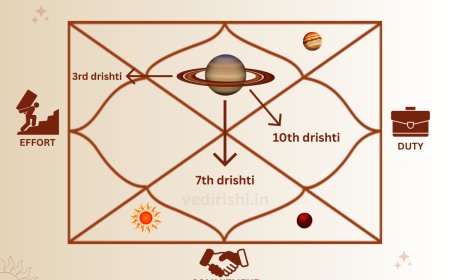
Saturn transits may require patience and careful planning.
-
Rahu transits may create sudden changes or unconventional opportunities.
By combining Dasha analysis with transits, astrologers attempt to determine the most supportive timing for major decisions.
Muhurat: Choosing the Right Moment
In addition to analyzing personal planetary cycles, Vedic astrology also uses a system known as Muhurat, which involves selecting an auspicious moment for important activities.
Muhurat considers several factors, including:
-
planetary positions
-
lunar phases
-
Nakshatras
-
weekday influences
By aligning an action with favorable cosmic conditions, Muhurat is believed to increase the probability of success.
Real-Life Example 1: Career Change Timing
Birth Details (Anonymized)
Date: 17 September 1988
Time: 05:42 AM
Place: Patna, India
Ascendant: Virgo
Moon: Capricorn (Shravana Nakshatra)
Early Career Situation
This individual worked in a stable technical profession but felt dissatisfied with limited growth opportunities. Around the age of thirty, he began considering a career shift.
However, the decision involved financial risk, so timing became an important factor.
Astrological Analysis
Astrological examination revealed that the native was entering a Mercury-related planetary period. Mercury rules communication, analysis, and intellectual professions. Because Mercury was strongly connected with the Ascendant and career houses in the chart, the upcoming period suggested favorable conditions for career development involving knowledge and communication.
At the same time, Jupiter’s transit was approaching a position that traditionally supports professional expansion.
Decision and Outcome
Based on this analysis, the individual decided to pursue additional training related to communication and knowledge-sharing fields rather than leaving his job immediately.
Within two years, he transitioned into a role involving training and consulting within his industry. The shift improved both professional satisfaction and financial stability.
In this case, astrology did not dictate the decision itself but helped identify a supportive time window for change.
Real-Life Example 2: Business Expansion
Birth Details (Anonymized)
Date: 22 June 1992
Time: 03:10 PM
Place: Mumbai, India
Ascendant: Gemini
Moon: Libra
Business Situation
The native operated a small online business and planned to expand operations by investing a large amount of money. Because the investment involved significant risk, the timing of expansion became an important concern.
Astrological Analysis
At the time of decision-making, the native was undergoing a Saturn planetary period. Saturn emphasizes discipline, responsibility, and long-term stability but often discourages impulsive expansion.
Additionally, Saturn’s transit suggested a period of consolidation rather than aggressive growth.
Decision and Outcome
Instead of expanding immediately, the native decided to strengthen existing operations and reduce unnecessary expenses. Two years later, when a more favorable planetary period began, the business expanded successfully.
This case demonstrates how waiting for the right timing can sometimes be as important as taking action.
The Psychological Benefit of Astrological Timing
Beyond predicting external events, astrology also helps individuals understand their psychological readiness for decisions.
Different planetary periods influence the mind in different ways:
-
Jupiter periods encourage optimism and learning.
-
Saturn periods encourage discipline and realism.
-
Mercury periods encourage intellectual exploration.
Understanding these influences can help individuals recognize whether they are acting from clarity or from temporary emotional pressure.
Balancing Astrology with Free Will
It is important to remember that astrology does not remove personal responsibility. Even during favorable planetary periods, success still requires effort, preparation, and wise decision-making.
Astrology simply provides insight into when conditions are more supportive for certain actions.
Similarly, challenging periods do not guarantee failure. They often encourage patience, planning, and skill development that later lead to success.
The Wisdom of Strategic Timing
Many successful individuals intuitively practice the principle of timing even without astrology. They observe market conditions, emotional readiness, and external opportunities before making decisions.
Astrology adds another dimension by considering the cosmic environment influencing the individual.
When personal effort aligns with favorable timing, the probability of success increases significantly.
Final Insight
Life decisions rarely depend on effort alone. Timing, circumstances, and psychological readiness all influence outcomes. Vedic astrology offers a framework for understanding these timing patterns through planetary cycles and transits.
By learning when to act boldly and when to wait patiently, individuals can navigate life’s opportunities more effectively.
Astrology does not eliminate uncertainty, but it provides a map showing when the winds of time are likely to support the journey forward.